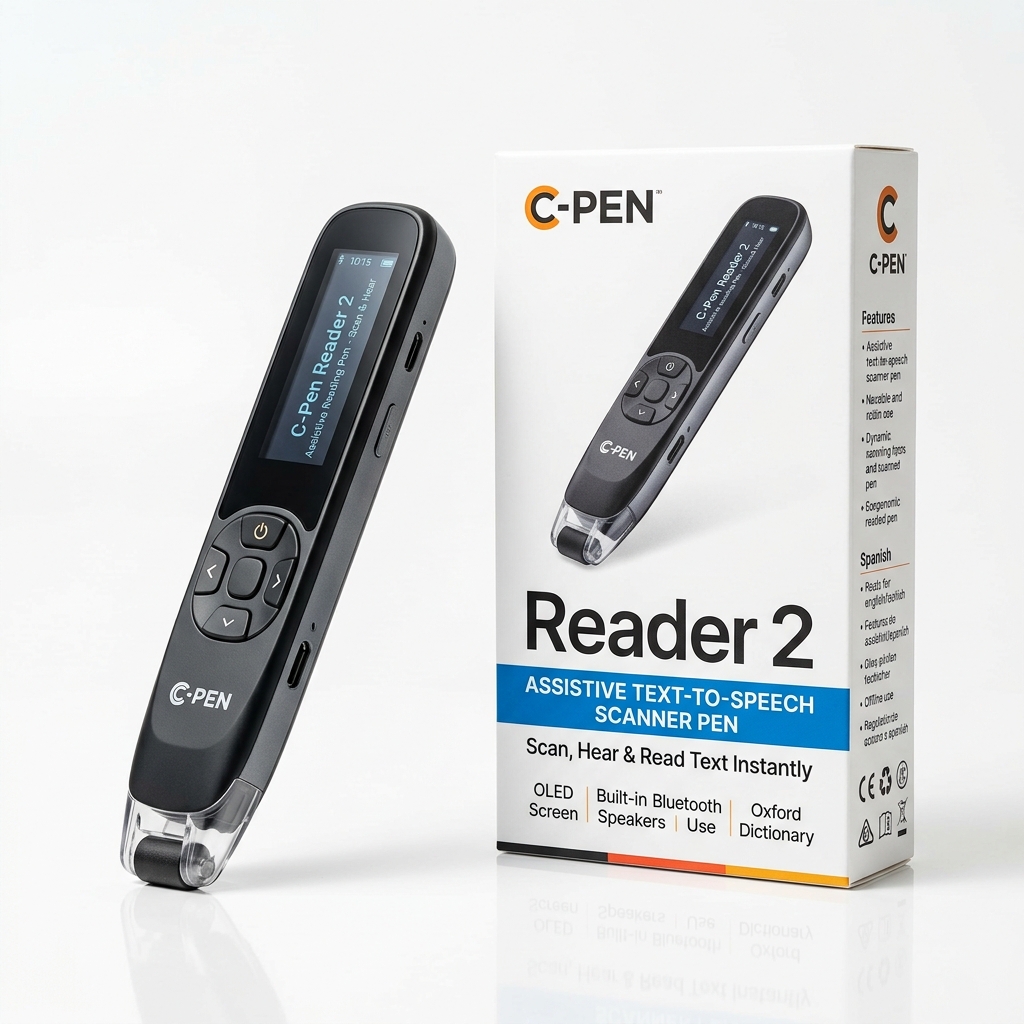
Why Assistive Technology Is Essential for SLPs & OTs
Assistive technology (AT) is essential for Speech-Language Pathologists (SLPs) and Occupational Therapists (OTs) because it provides the core clinical and educational tools needed to assess, augment, and restore functional communication and reading independence.
The American Speech-Language-Hearing Association (ASHA) explicitly outlines that knowing how to select and implement Assistive Technology and Augmentative and Alternative Communication (AAC) is a core professional responsibility for all practicing SLPs. Similarly, occupational therapists utilize assistive tech to dismantle cognitive, sensory, and motor barriers across educational and clinical environments.
Clinical Pain Points & Therapist Needs
Despite the proven efficacy of assistive technology, therapists consistently face substantial operational hurdles:
• Limited Access to AAC and AT Training: Industry surveys reveal that up to 74% of SLPs feel underprepared to select and configure high-tech assistive devices for complex caseloads.
• Inconsistent Delivery Across Settings: Therapy gains often diminish when assistive tools cannot transition seamlessly between clinical offices, school classrooms, and home environments.
• Heavy Caseloads & Limited One-on-One Time: Therapists require intuitive tools that clients can use independently between therapy sessions without constant supervision.
• Ethical Concerns & Long-Term Usability: OTs must ensure that assistive devices foster genuine autonomy and fine-motor control rather than creating long-term dependence on cumbersome hardware.
How C-Pen Reader 2 Supports Therapy Goals
The C-Pen Reader 2 provides a self-contained, highly accessible therapeutic solution for speech and literacy development:
• Instant Text-to-Speech (TTS): Reads printed text aloud, lifting decoding burdens and supporting phonological awareness, fluency, and speech rhythm.
• Built-in Cambridge Dictionary: Facilitates real-time vocabulary acquisition and semantic understanding without requiring a computer or phone.
• Practice Mode: Reinforces pronunciation, word repetition, and spaced recall for targeted articulation and decoding therapy.
• 100% Offline Security: Requires no Wi-Fi or data connection, satisfying strict institutional privacy regulations in therapy clinics, hospitals, and schools.
• Dual-Sensory Reinforcement: Synchronously combines auditory input with printed text tracking, boosting neural retention and comprehension.
How C-Pen Reader 3 Enhances Advanced Interventions
The next-generation C-Pen Reader 3 expands clinical capabilities with modern digital features:
• Interactive Touchscreen Interface: Visually highlights individual words as they are spoken, providing clear visual tracking for clients with processing or ocular-motor delays.
• Voice Memo & Audio Recording: Allows students to record their own expressive speech, perform articulation self-checks, and capture therapist instructions.
• Multilingual Support (40+ Languages Online): Enables SLPs to support English Language Learners (ELL) and bilingual households with authentic accent synthesis.
• Wireless Bluetooth & Wi-Fi: Connects seamlessly to wireless earbuds, classroom amplification loops, and automated cloud firmware updates.
• Gamified Literacy Practice: Increases therapy engagement and self-directed practice for reluctant or anxious readers.
Occupational Therapy: Promoting Independence in Daily Living
Occupational therapists leverage scanning pens to help pediatric and adult clients overcome motor, visual, and cognitive barriers in daily life:
• Lightweight, Pen-Grip Ergonomics: Strengthens fine motor grip and hand-eye coordination for individuals with dyspraxia, cerebral palsy, or hand tremors.
• Intuitive Graphical Menus: Enables clients with executive functioning or cognitive differences to navigate settings independently.
• Audio Boost & Headphone Output: Delivers clear acoustic feedback in noisy clinic rooms, sensory gymnasiums, or busy classrooms.
• Functional Independence: Allows clients to read medication labels, grocery lists, bills, and job training manuals without relying on a human caregiver.
Key Categories of Assistive Technology in Clinical Practice
Assistive devices fall into three synergistic categories across modern therapy plans:
1. Augmentative and Alternative Communication (AAC): Ranging from low-tech picture communication boards to high-tech speech-generating devices and apps that supplement or replace verbal speech.
2. Speech Amplification Systems: FM systems, personal sound amplifiers, and hearing loops that boost vocal intelligibility for clients with voice disorders or Parkinson's disease.
3. Access Technologies: Optical reading pens, adaptive switches, eye-gaze tracking, and specialized computer interfaces that empower individuals with severe motor challenges to engage with printed and digital media.
Shop Clinical & Educational Assistive Reading Pens
Explore certified assistive reading pens for therapy clinics, schools, and home practice on Amazon: